 BEATROX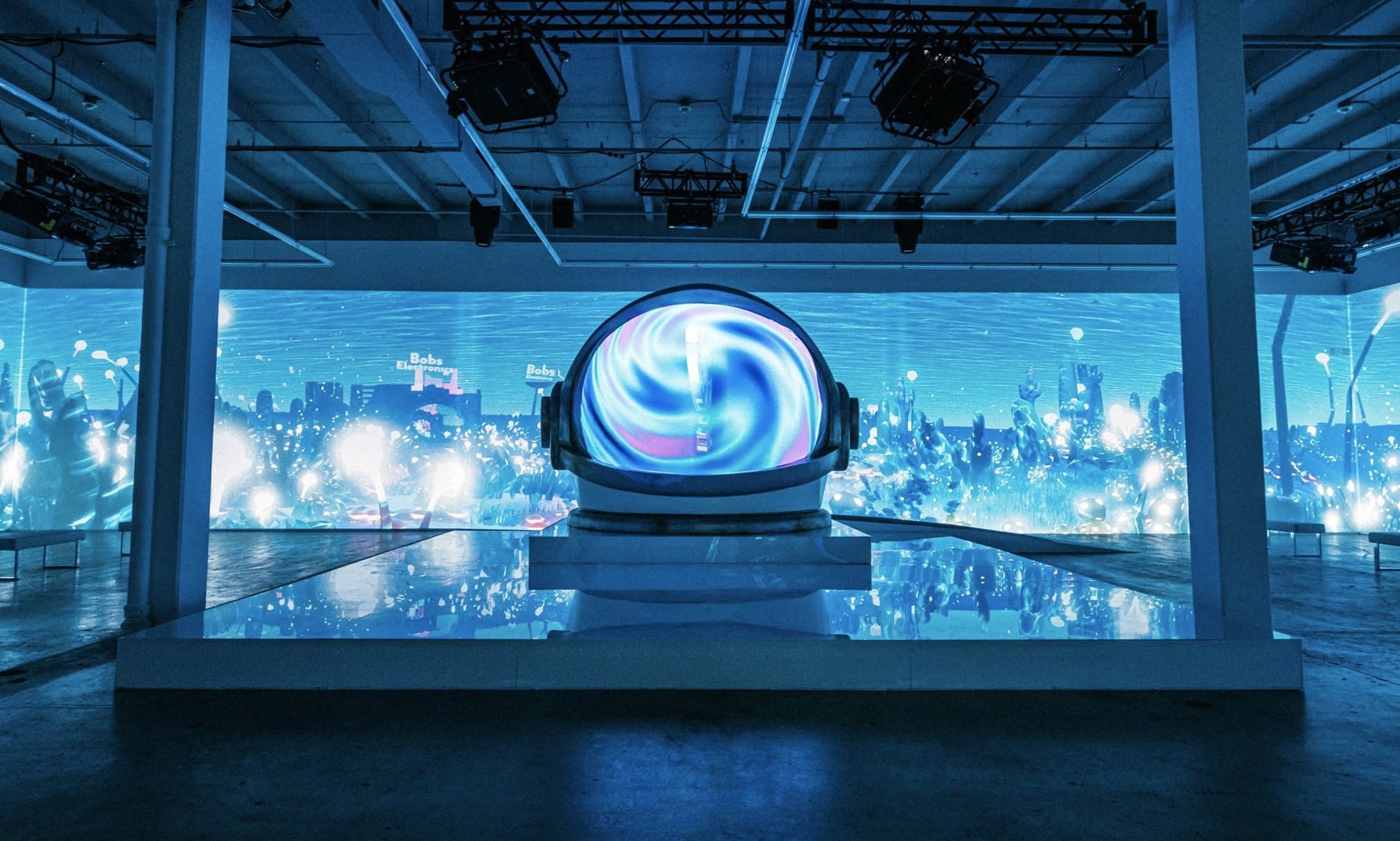
Tech Capability
Realtime Content (AR, VR, XR)
Digital worlds that react to the people inside them. We build real-time AR, VR, and XR content for events, installations, and brand experiences.
Capabilities
Design
- Augmented Reality Experiences
- Real-Time 3D Worlds (Unreal Engine)
- TouchDesigner Interactive Systems
- Sensor & Camera-Driven Content
- Virtual & Mixed Reality Environments
- Real-Time Physics Simulations
- Projection-Mapped Real-Time Content
- AI & Computer Vision Integration
Technologies
- Unreal Engine
- Unity
- TouchDesigner
- Notch
What is Realtime Content (AR, VR, XR)?
Realtime content is digital media that renders live, frame by frame, in response to what's happening in the room, built by our Portland, Oregon team for experiences nationwide: a guest's movement, a performer's music, a sensor reading. Unlike pre-rendered video, nothing is fixed: the content is generated by an engine in the moment, so every interaction can be unique. AR (augmented reality) layers digital content over the real world, VR (virtual reality) builds fully digital worlds, and XR (extended reality) blends both with physical stages, screens, and projection. In live events, these technologies power AR mirrors, interactive projection worlds, virtual production stages, and immersive brand environments that guests can influence directly. You need real-time content whenever the experience should feel alive rather than played back. It's the difference between watching a brand film and stepping inside one.
Common Applications
What BEATROX Provides
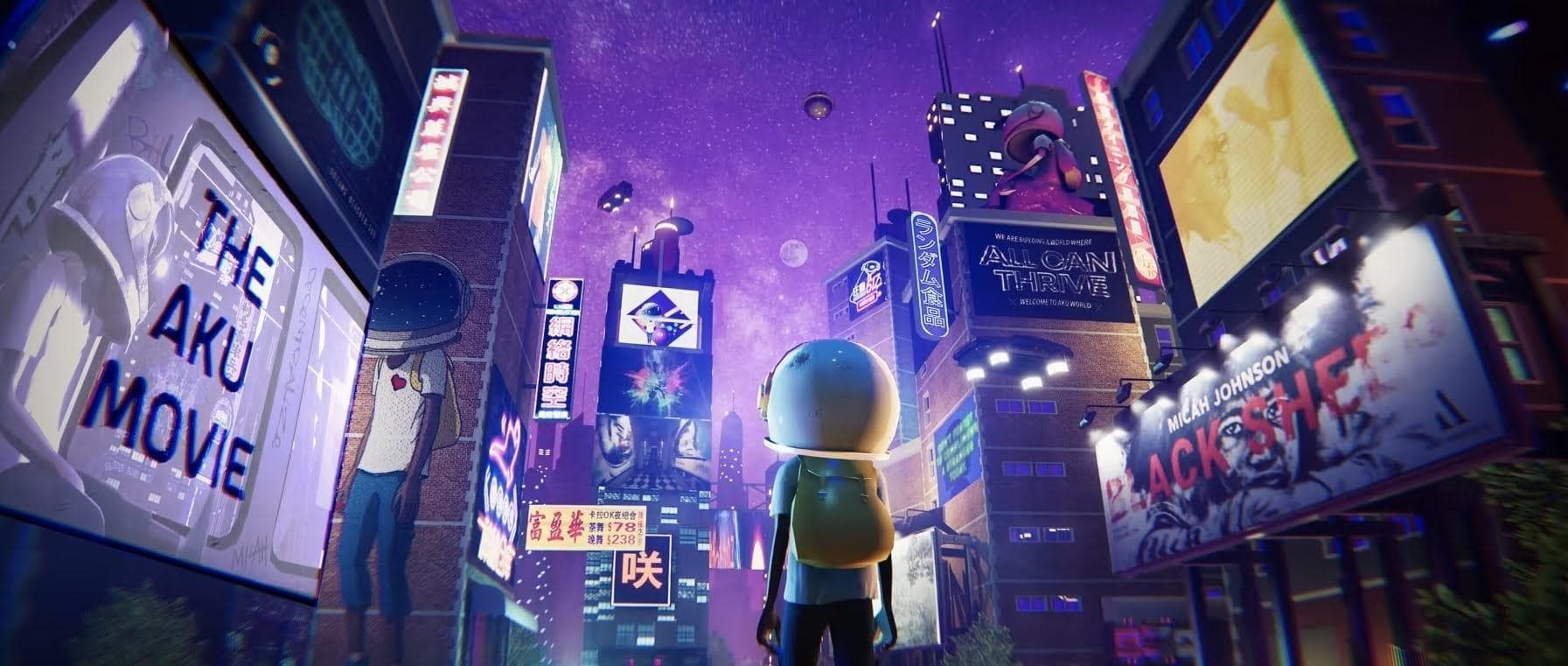
We design and build real-time systems end to end: 3D worlds and assets in Unreal Engine and Blender, interactive programming in TouchDesigner, sensor integration with Kinect Azure, LIDAR, and camera tracking, plus the hardware integration and on-site calibration that make it all reliable. Deliverables include AR mirror systems, real-time projection environments, interactive kiosks, and physics-driven simulations, all engineered for continuous operation at live events. For Adidas at Super Bowl 2020 in Miami, we built an AR mirror on a free-standing LED wall with real-time physics: guests' bodies, tracked by Kinect Azure and AI computer vision, drove the simulation live. At AKU World for AKU + FTX in New York, the main room ran Unreal Engine real-time content across a projection-mapped environment, guests explored three virtual worlds, controlled a large custom helmet installation, and created digital avatars through a 4D body scan. And for the G-MAN Experiential Campaign with Toyota x MTV in Los Angeles, we brought the same real-time interactive craft to a national brand campaign moment.
How We Work
- 01Experience Concept: We define what guests do and what the system does back
- 02World & Asset Build: 3D environments, characters, and visual systems created
- 03Interaction Engineering: Sensors, tracking, and real-time logic integrated
- 04Performance Tuning: Frame rate, latency, and stability tested under load
- 05On-Site Integration: Hardware, media servers, and displays calibrated
- 06Live Run: Staffed operation with monitoring and support throughout
Why BEATROX
Frequently Asked Questions
What's the difference between AR, VR, and XR?
AR overlays digital content on the real world, VR is a fully digital environment, and XR covers everything that blends the two, including projection-mapped rooms and virtual production stages. We help you choose the right format for your goals and venue.
Does real-time content require special hardware?
Yes. Real-time systems run on dedicated media servers or high-performance workstations, plus sensors for interaction. We spec, supply, and integrate all of it.
Can the content be updated during the event?
That's one of the biggest advantages of real-time systems. Branding, messaging, and even entire scenes can be swapped live without re-rendering video.
How long does it take to build a real-time experience?
Simple AR moments can come together in 4–6 weeks; full interactive worlds typically need 8–12. We scope timelines in the first consultation based on your creative ambition.
Projects Using This Tech
AKU + FTX
AKU World
A multi-room experiential event bringing a digital universe to life — projection mapping, 3D scanning,…
View project →Urban Outfitters x Adidas
Create Our Future
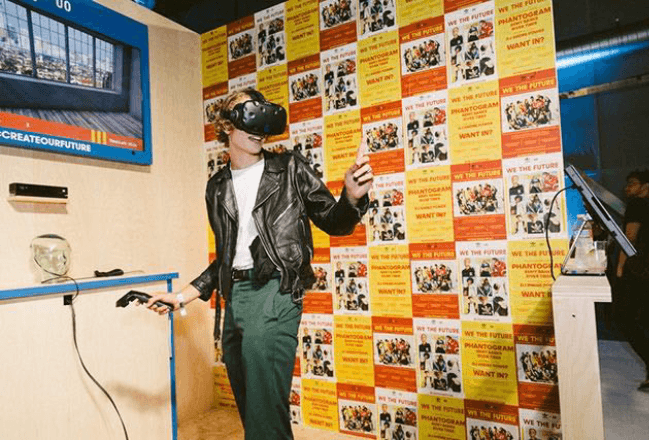
A 270-degree projection-mapped Cyclone Wall, live music from Phantogram, and a custom VR avatar experience —…
View project →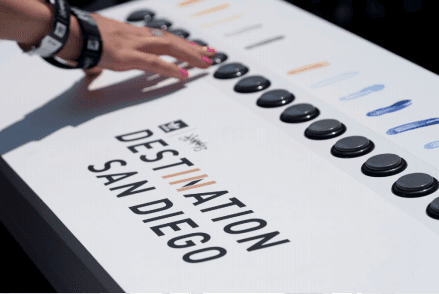
Journey's x Adidas
Destination
A 40-foot blank canvas, five colors of paint, and a robotic dripper controlled by the crowd — collaborative…
View project →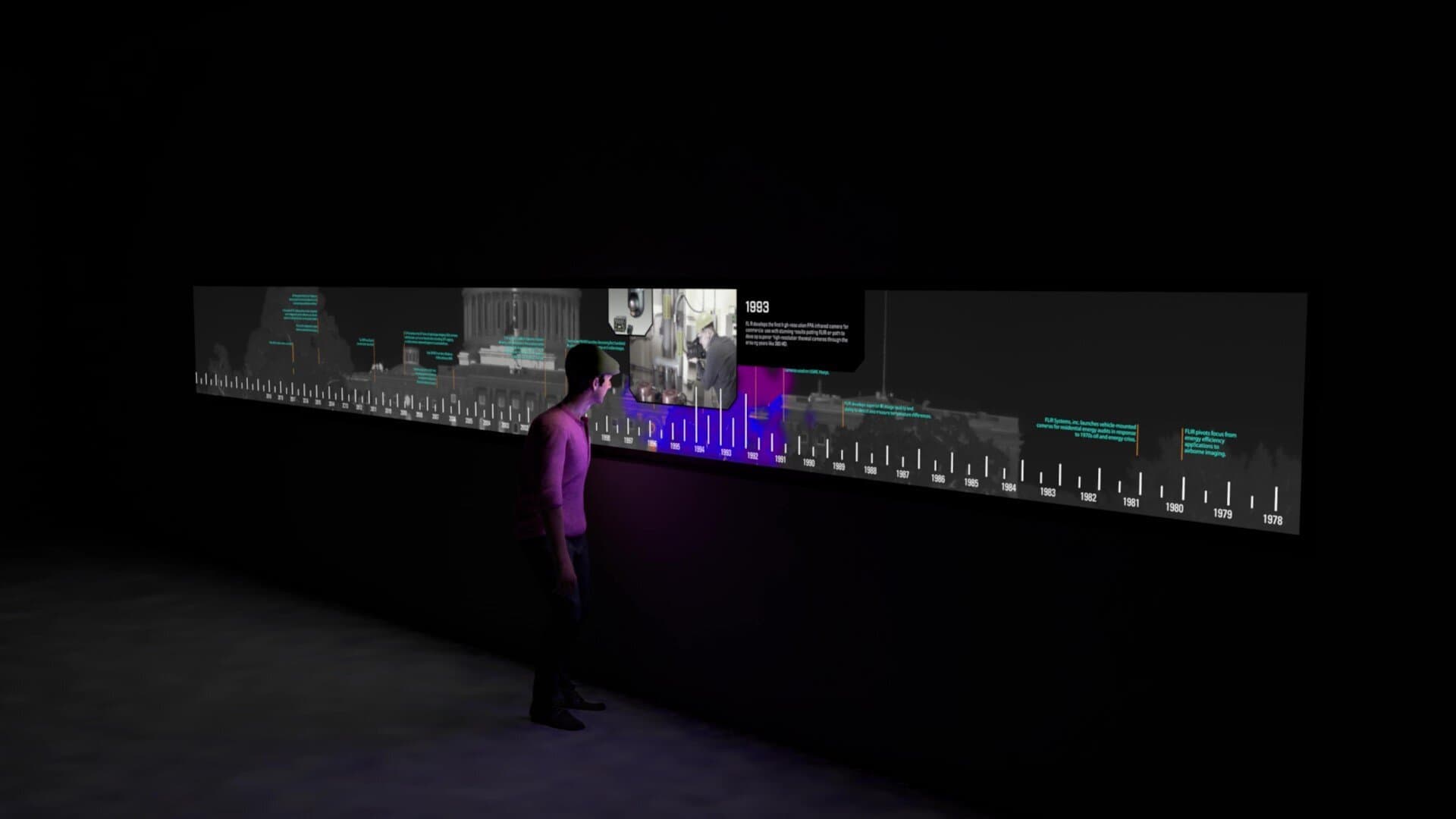
FLIR
FLIR Interactive History Wall
A permanent interactive media installation at FLIR HQ in Washington DC — LIDAR body tracking and AI computer…
View project →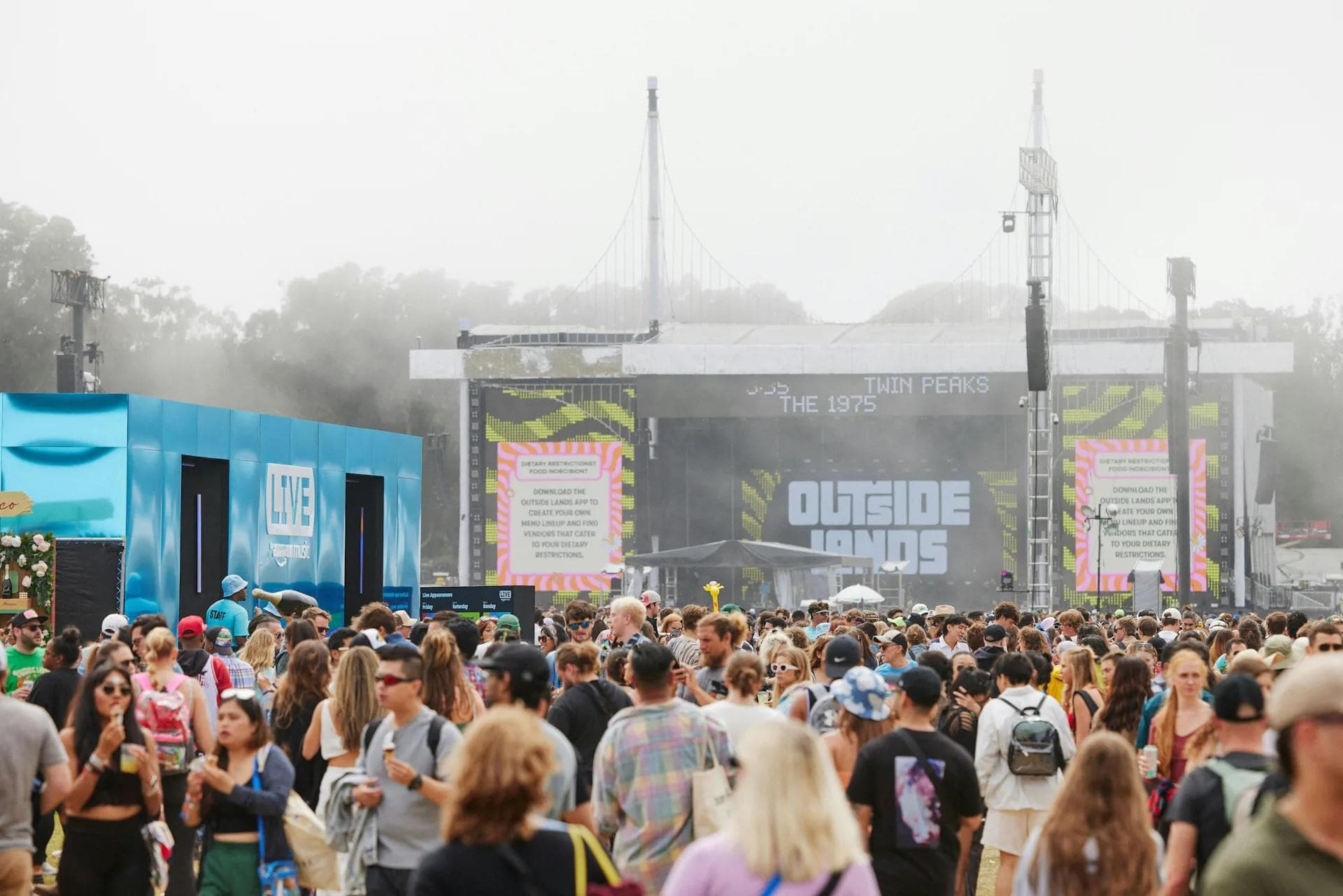
Amazon Music Live
Infinite Playlist Tour
Two unforgettable festival activations for Amazon Music Live — bringing fans unprecedented access to artists…
View project →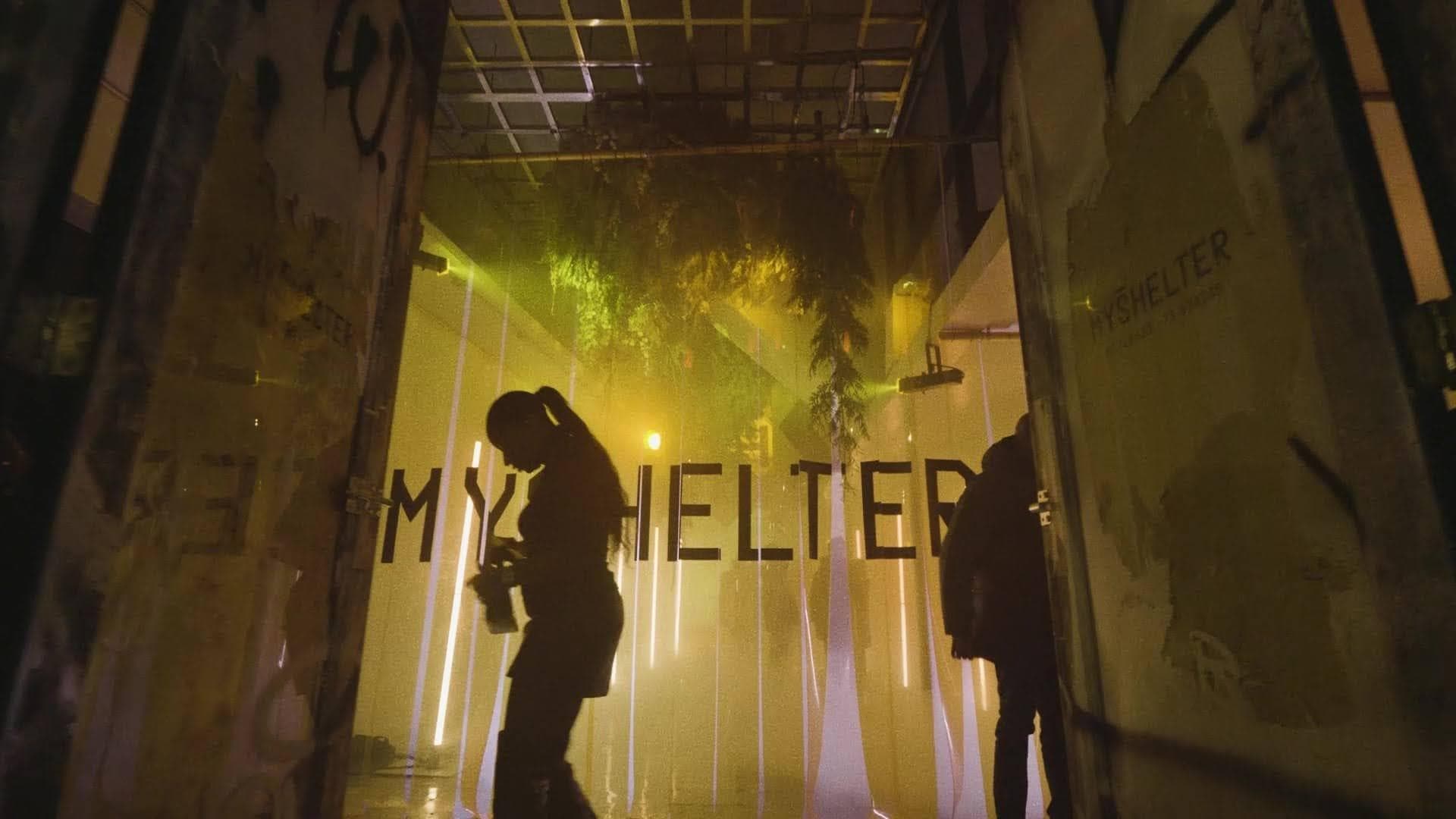
Adidas
MyShelter
A narrow bodega transformed into a living forest canopy — letting visitors experience Adidas Outdoor's…
View project →Related Services
Ready to get started?
Book a discovery call and get professional advice today.